Hook
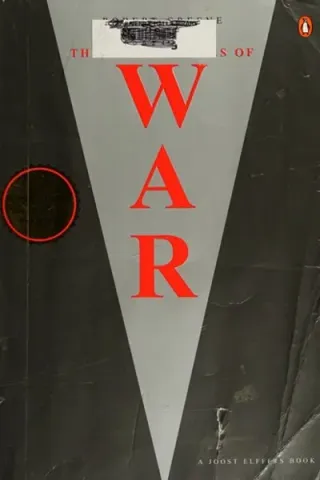
Napoleon, Sun Tzu, Alexander the Great, and Ulysses S. Grant all followed strategic principles that apply far beyond the battlefield. Robert Greene maps 33 strategies for overcoming conflict, competition, and resistance in any arena.
What It’s About
The 33 Strategies of War applies military strategy to everyday life — career competition, office politics, negotiation, and personal conflicts. Greene organizes the strategies into five categories: self-directed warfare (overcoming your own weaknesses), organizational warfare (building effective teams), defensive warfare (protecting what you’ve built), offensive warfare (advancing on your goals), and unconventional warfare (creative approaches to intractable problems).
Each strategy is illustrated with detailed historical examples — from ancient battlefields to Cold War espionage to corporate takeovers. Greene draws on military theorists (Clausewitz, Sun Tzu, Machiavelli), historical commanders (Napoleon, Alexander, Hannibal), and modern strategists to build a comprehensive framework for strategic thinking.
The book is long and dense — at nearly 500 pages, it’s designed more for study than casual reading. But Greene’s storytelling brings historical figures to life, and the strategic principles translate to modern conflicts with surprising accuracy. The key insight running through all 33 strategies is that strategic thinking is about seeing the whole picture while your opponent focuses on the immediate.
Key Takeaways
The concept of “death ground strategy” — the idea that people perform at their highest level when they have no option to retreat — explains why entrepreneurs who burn their boats outperform those who keep safety nets. Greene shows how great commanders throughout history created urgency by eliminating their own escape routes.
The “guerrilla warfare of everyday life” — using speed, flexibility, and unconventional tactics to outmaneuver larger, slower opponents — has direct applications for startups competing against established companies, underdogs in negotiations, and anyone facing a stronger opponent.
The Verdict
The 33 Strategies of War is the most practically applicable of Greene’s books after The 48 Laws of Power. The military framing won’t appeal to everyone, and the book is too long, but the strategic thinking frameworks are genuinely useful for anyone who faces competition, conflict, or resistance.