Hook
Most millionaires don’t drive luxury cars or live in mansions. The people who look rich usually aren’t — and the people who are rich usually don’t look it.
What It’s About
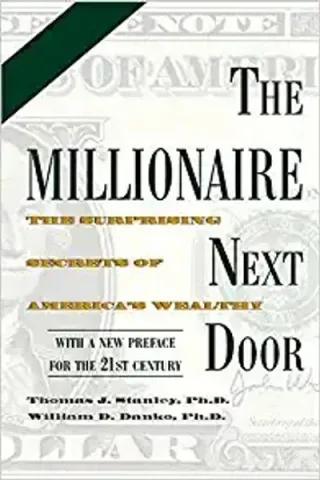
The Millionaire Next Door reveals that typical American millionaires are self-employed business owners in “dull” industries who live well below their means, drive used cars, and invest consistently. The authors distinguish between UAWs (Under Accumulators of Wealth) who earn high but spend high, and PAWs (Prodigious Accumulators of Wealth) who accumulate through frugality and discipline.
The key finding is that wealth is primarily a function of behavior, not income. The data is compelling, though the writing is academic and repetitive in places.
Key Takeaways
The formula for expected wealth — multiply your age by your pre-tax income, divide by ten — reveals whether you’re converting income into wealth or just spending it. The role of frugality in wealth-building is the book’s other major contribution: offense (earning more) matters less than defense (spending less and investing the difference).
The Verdict
An important corrective to the assumption that wealth equals visible consumption. The writing style is dry and repetitive, but the central insight is worth absorbing.