Hook
Nearly a century old and still the clearest explanation of personal finance ever written — told through parables set in ancient Babylon where a poor scribe learns to become the wealthiest man in the city.
What It’s About
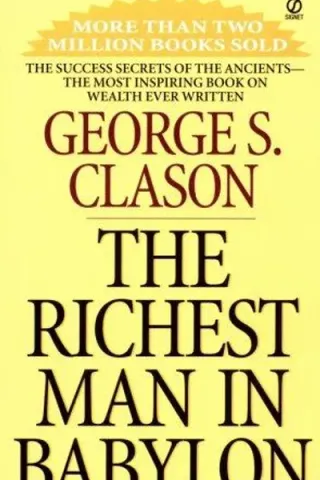
The Richest Man in Babylon delivers timeless financial wisdom through parables set in ancient Babylon. The central character, Arkad, became the richest man in the city by following simple principles — and the book is essentially his lessons passed down.
The core teachings are elegantly simple. Pay yourself first — save at least one-tenth of everything you earn. Make your gold work for you through wise investments. Guard your wealth from loss by investing only where you have expertise or trustworthy advisors. Increase your ability to earn by investing in your own skills.
The parable format makes financial concepts accessible and memorable. At just 144 pages, the book can be read in a single afternoon, and its lessons apply as directly to modern index funds as they did to Babylonian gold.
Key Takeaways
The “pay yourself first” principle — saving a fixed percentage before any expenses — remains the single most effective personal finance habit. Clason’s insight is that most people adjust spending to match income. By automating savings first, you remove the decision entirely.
The distinction between wealth and income is the book’s other crucial lesson. Earning more doesn’t make you rich — keeping and investing it does. Wealth is built through patient accumulation of assets that generate returns, not through higher salaries spent on lifestyle inflation.
The Verdict
The Richest Man in Babylon is personal finance distilled to its essence. The principles are sound, timeless, and more actionable than most modern finance books ten times its length. The archaic language can feel affected, but the wisdom endures.