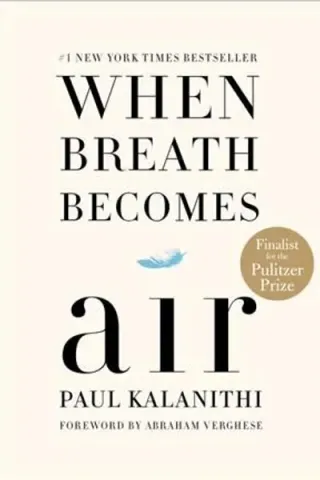
Hook
A neurosurgeon on the verge of completing a decade of training is diagnosed with terminal lung cancer at age 36. When Breath Becomes Air is his meditation on mortality, meaning, and what makes life worth living — written in the months before his death.
What It’s About
When Breath Becomes Air is Paul Kalanithi’s memoir of his journey from neurosurgery resident to terminal cancer patient. The first half follows his path to medicine — how a young man obsessed with literature and meaning chose neurosurgery as the field where science and the human experience most directly intersect. The second half recounts his diagnosis, treatment, and the radical reorientation of priorities that terminal illness demands.
Kalanithi writes with the precision of a surgeon and the grace of the literature student he once was. He grapples with questions that most people avoid: What makes life meaningful when death is certain? How do you plan a life you know will be cut short? How do you maintain identity when everything that defined you — your career, your future, your body — is being taken away?
The memoir is unfinished — Kalanithi died before completing it, and the book’s final sections were written with increasing urgency. His wife, Lucy, provides an epilogue that is devastating and beautiful. The incompleteness is not a flaw; it’s the book’s most honest statement about the nature of a life cut short.
Key Takeaways
Kalanithi’s central insight is that the meaning of life doesn’t diminish in the face of death — it concentrates. Confronted with limited time, he didn’t retreat into pleasure or denial. He returned to work, became a father, and continued writing — choosing meaning over comfort in his final months.
His reflection on the doctor-patient relationship — having been on both sides — offers a unique perspective on medicine, empathy, and the limits of expertise. Kalanithi argues that the best medicine treats not just the disease but the person’s relationship with their own mortality.
The Verdict
When Breath Becomes Air is one of the most moving memoirs ever written. It’s short, profound, and impossible to read without reassessing your own priorities. Kalanithi’s intelligence and honesty make this far more than a cancer memoir — it’s a meditation on what it means to be alive.